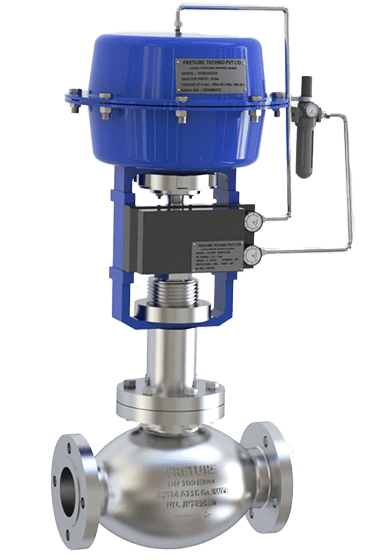
Saturday, 21 September 2024

Diaphragm Control Valve: Precision and Efficiency in Fluid Control

Diaphragm control valves are integral components in fluid regulation systems across various industries. These valves stand out for their versatility, reliability, and precision in controlling the flow of liquids, gases, and slurries. Whether it's the pharmaceutical industry, water treatment, food and beverage, or chemical processing, diaphragm control valves are known for their efficient operation and low maintenance.

This article explores the key features, working principles, benefits, and applications of diaphragm control valves, providing an in-depth understanding of why they are crucial for industrial processes.
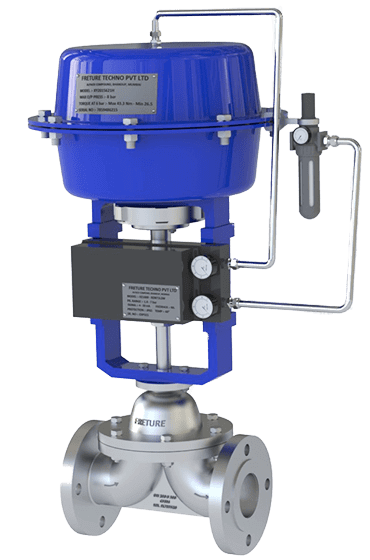

Pneumatic Diaphragm Control Valve

What is a Diaphragm Control Valve?

A diaphragm control valve uses a flexible diaphragm to regulate fluid flow. The diaphragm is typically made from materials like elastomers, rubber, or polymer compounds, which resist corrosion and wear, making it suitable for handling a wide range of fluids. These valves operate by modulating the position of the diaphragm, either fully closing, opening, or partially throttling the flow of fluid through the valve body.

There are two main types of diaphragm valves:

  1. Weir-Type Diaphragm Valves: These have a raised lip or “weir” over which the diaphragm is pressed to stop the flow. They are ideal for on/off service and are commonly used in applications involving viscous fluids.
  2. Straight-Through Diaphragm Valves: These have a simpler design, where the diaphragm directly seats onto the valve body. They are used where minimal flow resistance is critical, such as in applications requiring high flow capacity.

Both designs allow for precise control and reliable shutoff, even in corrosive or abrasive environments.

Working Principle of Diaphragm Control Valves

The diaphragm control valve operates by the movement of the diaphragm in response to changes in pressure, typically controlled by an actuator. Actuators can be pneumatic, electric, or manual, providing flexibility in their use.

In most cases, the actuator applies force to the diaphragm, pressing it against the valve body to restrict flow or release pressure to allow fluid passage. The degree of force applied dictates the amount of flow, making it possible to finely tune the valve for process control.

The diaphragm acts as a sealing element between the fluid and the control mechanism, ensuring that there is no leakage, which is particularly important in applications involving hazardous or sterile fluids.

Benefits of Diaphragm Control Valves

1. Corrosion Resistance

One of the significant advantages of diaphragm valves is their resistance to corrosion. The diaphragm itself and the materials used in the valve body (such as stainless steel, plastic, or other corrosion-resistant alloys) ensure that these valves can handle aggressive chemicals, making them ideal for use in the chemical and pharmaceutical industries.

2. Zero Leakages

Diaphragm valves are designed to prevent leakages. The diaphragm separates the fluid from the internal mechanisms of the valve, ensuring a tight seal and eliminating the risk of fluid contamination or leakage, which is vital in industries like food processing and pharmaceuticals.

3. Low Maintenance

Because diaphragm control valves have fewer moving parts than other types of control valves, they are more reliable and require less maintenance. The simplicity of their design ensures durability and reduces the frequency of part replacements, contributing to lower operational costs.

4. Precise Flow Control

Diaphragm valves provide accurate throttling control, making them suitable for systems where precise regulation of fluid flow is necessary. Their ability to maintain tight control over flow rates contributes to energy efficiency in industrial processes.

5. Versatile Applications

These valves can handle a wide range of fluids, from slurries and viscous liquids to gases and clean water. They are widely used in industries like water treatment, pharmaceuticals, food and beverage production, chemical processing, and power generation.

Applications of Diaphragm Control Valves

1. Pharmaceutical and Biotechnology

In industries where cleanliness and sterile conditions are critical, diaphragm control valves play a crucial role. Their design ensures that there is no contact between the fluid and the actuator, preventing contamination. Additionally, their smooth surfaces and minimal dead space make them ideal for processes that require easy cleaning and sterilization.

2. Water Treatment

Diaphragm valves are used in water treatment plants for controlling the flow of water and chemicals. Their corrosion resistance and durability make them well-suited for handling both clean and aggressive fluids, such as those used in reverse osmosis and desalination systems.

3. Chemical Processing

The ability to handle corrosive and abrasive chemicals makes diaphragm control valves a go-to choice for the chemical industry. Whether it's for dosing chemicals or regulating fluid flow in reactors, these valves ensure process efficiency and safety.

4. Food and Beverage

In food processing, where contamination must be avoided, diaphragm valves offer a hygienic solution. They can handle high-viscosity fluids, such as syrups and sauces, while preventing contamination due to their sanitary design.

Material Selection for Diaphragm Control Valves

The choice of materials for diaphragm control valves depends on the application and the type of fluid being handled. Common materials for diaphragms include EPDM, PTFE, and nitrile rubber. Valve bodies are often made from stainless steel, cast iron, or plastics like PVC and PP.

Selecting the right materials ensures compatibility with the fluid and environment, enhancing valve performance and longevity. For instance, PTFE diaphragms are excellent for handling aggressive chemicals, while stainless steel valve bodies are used in food and pharmaceutical applications for their hygienic properties.

Conclusion

Diaphragm control valves offer numerous benefits, including corrosion resistance, precise control, and low maintenance, making them an essential component in a wide range of industrial applications. Their versatility, combined with reliable performance, ensures that these valves meet the high demands of industries such as pharmaceuticals, water treatment, and food processing.

For superior quality and reliable performance, buy Diaphragm Control Valves from Freture Techno Pvt. Ltd., a trusted manufacturer providing high-performance solutions for your industrial needs.


Control Valves: Optimizing Flow, Pressure, and Process Efficiency

Control valves play a critical role in modern industrial processes by managing the flow, pressure, temperature, and level of fluids within systems. They ensure that the process parameters are maintained at desired setpoints, contributing to both operational efficiency and safety. These valves are found in various industries, from oil and gas to water treatment, power generation, and chemical processing, where precise regulation of fluids is essential.

What Are Control Valves?

Control valves are devices that modulate the flow of liquids, gases, or steam within a system by varying the size of the flow passage. They respond to signals from controllers, which adjust the valve position based on the requirements of the process. The primary components of a control valve system include the valve body, actuator, and positioner. The actuator provides the force to move the valve stem, while the positioner ensures the valve reaches the correct position corresponding to the control signal.

Control valves are available in different designs, each suited for specific applications. Common types include:

  1. Globe Valves – Ideal for throttling applications and precise flow control.
  2. Ball Valves – Known for their durability, they offer quick shutoff and are used where tight sealing is essential.
  3. Butterfly Valves – These provide large flow capacity and are typically used in low-pressure applications.
  4. Diaphragm Valves – Used in industries requiring sanitary conditions, such as food and pharmaceuticals, where contamination must be minimized.

How Control Valves Function

The functioning of a control valve is dictated by a signal, typically pneumatic or electronic, sent from a process controller. When a change in the process variable (such as flow rate or pressure) is detected, the controller sends a signal to the valve actuator. The actuator then moves the valve stem to either open or close the flow path, adjusting the fluid passing through the system.

A positioner is often used in control valve assemblies to enhance the precision of the valve's movements. The positioner compares the valve's actual position with the desired position from the control signal, making adjustments to ensure accuracy. This feedback loop ensures that control valves maintain a high level of efficiency and consistency in process regulation.

The Importance of Control Valves in Industrial Applications

Industries today demand high efficiency, reduced waste, and consistent process outputs. Control valves enable plants to achieve these goals by providing precision in fluid management. The ability to regulate pressure, temperature, and flow means that production processes can run smoothly, with minimal downtime and energy waste.

For instance, in chemical processing plants, precise control of the flow of reactants is necessary to ensure product quality and avoid dangerous chemical reactions. In power plants, controlling the flow of steam and water is critical to maintaining optimal energy output. Similarly, in water treatment systems, control valves help regulate the flow and pressure of water as it passes through filtration and purification stages, ensuring the production of clean, safe water.

Key Considerations for Selecting Control Valves

When selecting a control valve, it is crucial to consider various factors to ensure optimal performance, especially when choosing between options like Globe 2 Way Control Valve, Globe 3 Way Control Valve, Diaphragm Control Valve, and Flush Bottom Control Valve. The type of fluid being controlled is vital, as certain valves perform better with liquids, gases, or steam. For example, Globe 2 Way and 3 Way Control Valves are commonly used for precise flow control in various industries, making them ideal for throttling applications. Pressure and temperature ratings are equally important to ensure the valve can handle the specific conditions of the system. The flow requirements also play a role in selecting the right valve; Globe Valves are preferred for higher precision, while Diaphragm Control Valves are excellent in hygienic or corrosive environments like pharmaceuticals. Lastly, material compatibility is crucial for durability, and specific control valves like the Flush Bottom Control Valve are designed for applications that require the complete draining of fluids, particularly in process vessels. By evaluating these factors, you can ensure the valve is suited to your application and will provide efficient and long-lasting service.

Selecting the right control valve ensures not only operational efficiency but also the longevity of the system and reduced maintenance costs.

Advancements in Control Valve Technology

With technological advancements, control valves have become more efficient and smarter. Modern valves now come equipped with digital positioners, which allow for more precise control, easier monitoring, and even remote troubleshooting. Smart control valves can also integrate with advanced control systems and industrial IoT (Internet of Things) platforms, enabling real-time data analysis and predictive maintenance. These advancements reduce the risk of failure and optimize the overall performance of industrial systems.

Buy Control Valves from Freture Techno Pvt. Ltd.

When it comes to selecting high-quality control valves, Freture Techno Pvt. Ltd. stands out as a trusted control valves manufacturer in Mumbai, India. Offering a wide range of control valves suited for various industries, Freture Techno Pvt. Ltd. is known for its commitment to precision, reliability, and innovation. Their control valves are designed to meet the most demanding industrial applications, ensuring long-lasting performance and efficient fluid control. For premium control valves that can optimize your process flow and ensure system safety, choose Freture Techno Pvt. Ltd.

Monday, 9 September 2024

Globe 3-Way Control Valve: Enhancing Precision and Flexibility in Fluid Control

 In the realm of industrial fluid management, precision and flexibility are paramount. The globe 3-way control valve stands out as an essential component designed to address these needs effectively. This versatile valve type is crucial in applications requiring accurate flow control and efficient fluid distribution. Let’s delve into the features, benefits, and applications of globe 3-way control valves.

Understanding Globe 3-Way Control Valves

A globe 3-way control valve combines the traditional globe valve design with the added functionality of a third port, allowing it to handle multiple flow paths. Unlike standard globe valves, which are typically used for simple on/off control, the 3-way variant is engineered to regulate and divert fluid flow between two outlets. This capability makes it indispensable for applications where precise control and flexibility are required.

Globe 3 Way Control Valve Manufacturer in Mumbai, India | Freture Techno

Key Features and Benefits

  1. Precise Flow Control: The globe 3-way control valve’s design provides excellent throttling capabilities. By adjusting the valve’s position, operators can control the flow rate with high accuracy. This is particularly valuable in processes where maintaining specific flow rates is crucial for system efficiency and product quality.

  2. Versatile Flow Paths: With its three-port configuration, the globe 3-way control valve can be used to mix fluids from two sources or divert flow between different destinations. This versatility makes it ideal for complex systems where fluid needs to be routed or combined in specific ways.

  3. Enhanced Control and Automation: Many globe 3-way control valves are equipped with advanced actuators and positioners, enabling automated operation and remote control. This automation enhances operational efficiency and reduces the need for manual intervention, leading to more consistent and reliable process management.

  4. Robust Design: Built to withstand high pressures and temperatures, globe 3-way control valves are constructed from durable materials such as stainless steel, cast iron, or high-grade alloys. This robustness ensures longevity and reliable performance even in demanding environments.

  5. Reduced Leakage: The design of the globe 3-way control valve minimizes the risk of leakage, which is critical for maintaining system integrity and safety. The tight shutoff provided by the valve’s seat and plug ensures minimal loss of fluid and prevents contamination.

Applications of Globe 3-Way Control Valves

  1. Chemical Processing: In chemical manufacturing, precise control of reactants and products is essential. Globe 3-way control valves facilitate accurate mixing and routing of chemicals, ensuring optimal reaction conditions and product quality.

  2. HVAC Systems: In heating, ventilation, and air conditioning (HVAC) systems, these valves regulate the flow of water or air between different parts of the system. This helps in balancing temperature and pressure, enhancing overall system efficiency.

  3. Water Treatment: Globe 3-way control valves are used in water treatment plants to manage the flow of water through various treatment stages. Their ability to mix and divert water effectively is crucial for maintaining process stability and performance.

  4. Pharmaceutical Industry: In pharmaceutical manufacturing, hygiene and precision are critical. Globe 3-way control valves ensure accurate control of fluid flows in production and cleaning processes, helping to meet stringent industry standards.

Choosing the Right Globe 3-Way Control Valve

When selecting a globe 3-way control valve, several factors should be considered:

  • Flow Characteristics: Ensure the valve’s flow characteristics align with the requirements of your application. Different valve trims and designs offer varying levels of control and flow capacity.

  • Material Compatibility: Choose materials that are compatible with the fluids being handled. Consider factors such as corrosion resistance and temperature tolerance.

  • Actuator Type: Depending on your needs, select an appropriate actuator for manual or automated control. Actuators range from simple hand wheels to sophisticated electric or pneumatic actuators.

  • Size and Pressure Rating: Ensure the valve is sized correctly for your system and can handle the operating pressures.

In conclusion, the Globe 3-Way Control Valve is a pivotal component in various industrial applications, offering precise flow control, versatility, and robust performance. By understanding its features and benefits, and selecting the right valve for your specific needs, you can enhance system efficiency and ensure reliable operation across diverse processes.

Globe 2-Way Control Valves: Precision in Fluid Regulation

In the world of fluid control, the globe 2-way control valve stands out for its precision and versatility. This essential component is widely used in various industries, including chemical processing, water treatment, and HVAC systems, to regulate fluid flow and pressure with accuracy. Let’s delve into the key aspects of globe 2-way control valves, exploring their design, functionality, and applications.

What is a Globe 2-Way Control Valve?

A globe 2-way control valve is designed to control the flow of fluids in a pipeline through a single inlet and a single outlet. Its name derives from the spherical shape of the valve body, which contains an internal baffle that directs the flow. The core function of this valve is to modulate flow rates, making it ideal for applications where precise control is essential.

Key Features and Benefits

  1. Precise Flow Control: The globe valve's design allows for excellent flow regulation. The flow is controlled by moving a plug or disc into or out of a seat, which adjusts the flow area. This feature ensures that even minor adjustments to the valve position result in accurate changes to the flow rate, making it highly suitable for processes requiring fine-tuning.

  2. Effective Shutoff: Globe valves are known for their reliable shutoff capabilities. When fully closed, the valve’s design provides a tight seal, minimizing leakage and preventing any unintended fluid flow. This quality is crucial in applications where leakage could lead to process inefficiencies or safety hazards.

  3. Durable Construction: Typically constructed from materials like stainless steel, bronze, or other alloys, globe valves are built to withstand high pressures and corrosive fluids. Their robust construction ensures longevity and consistent performance even in challenging environments.

  4. Versatility: Globe 2-way control valves are versatile and can be used in various configurations, including manual or automated setups. They are compatible with a range of actuators, such as electric or pneumatic, allowing for integration into automated control systems.

Design and Operation

The globe valve operates through a linear motion mechanism. The valve’s internal components include a seat and a disc or plug. When the valve is open, the disc moves away from the seat, allowing fluid to flow through. As the disc approaches the seat, the flow is restricted, and the valve can be adjusted to achieve the desired flow rate.

One of the key design advantages of the globe valve is its ability to handle a wide range of fluids, including those that are viscous or contain suspended solids. This is due to its flow path design, which reduces turbulence and minimizes the risk of clogging.

Applications

  1. Chemical Processing: In chemical processing, precise control of fluid flow and pressure is crucial to ensure reaction consistency and safety. Globe 2-way control valves are used to regulate the flow of chemicals, ensuring optimal reaction conditions and minimizing the risk of spills or leaks.

  2. Water Treatment: In water treatment facilities, globe valves help control the flow of water through various stages of filtration and purification. Their ability to provide precise flow control makes them ideal for managing water quality and treatment processes.

  3. HVAC Systems: In HVAC systems, globe valves regulate the flow of heating and cooling fluids, ensuring efficient temperature control within buildings. They help maintain comfort levels while optimizing energy use.

  4. Oil and Gas: The globe valve's durability and precise control make it suitable for oil and gas applications, where it regulates the flow of hydrocarbons and other fluids in processing and transportation systems.

Conclusion

The globe 2-way control valve is a vital component in many industrial applications, offering unmatched precision in fluid regulation. Its robust design, effective shutoff capabilities, and versatility make it an excellent choice for processes requiring accurate control and reliability. Whether in chemical processing, water treatment, or HVAC systems, the globe valve’s ability to manage fluid flow efficiently ensures smooth and effective operation, contributing to overall system performance and safety.

The Essential Role of Flush Bottom Control Valves in Industrial Systems

In industrial operations, maintaining cleanliness and efficiency is paramount. One critical component that facilitates this is the flush bottom control valve. These specialized valves play a pivotal role in ensuring that systems remain free from residues and contaminants, thus optimizing performance and extending equipment lifespan.

Flush bottom control valves are designed with a unique feature: a flushing mechanism located at the valve's bottom. This design allows for the effective removal of sediments, sludge, and other residues that accumulate in process tanks and pipelines. By facilitating easy and thorough cleaning, these valves help maintain the integrity of the system and prevent potential issues such as blockages and corrosion.

Flush Bottom Valve

One of the key advantages of flush bottom control valves is their ability to support smooth and continuous operation. In many industrial applications, including chemical processing, pharmaceuticals, and food and beverage production, the presence of residues can lead to reduced efficiency and compromised product quality. Flush bottom control valves address this challenge by enabling regular and efficient cleaning cycles without requiring the entire system to be shut down.

The construction of flush bottom control valves typically involves robust materials that can withstand harsh operating conditions. They are often made from high-quality stainless steel or other durable alloys, ensuring resistance to corrosion and wear. Additionally, their design allows for easy integration into existing systems, providing flexibility and convenience during installation.

Furthermore, flush bottom control valves are designed with user-friendly features that enhance their functionality. For example, they may include manual or automated actuators that enable precise control over the flushing process. This adaptability ensures that the valves can be tailored to meet the specific needs of various applications.

In conclusion, flush bottom control valves are indispensable for maintaining the cleanliness and efficiency of industrial systems. Their ability to effectively remove residues, coupled with their durable construction and user-friendly design, makes them a valuable asset in numerous industries. By incorporating these valves into your operations, you can ensure optimal performance and extend the lifespan of your equipment.

Bellow Sealed Globe Control Valve: Enhancing Performance and Reliability in Industrial Applications

 Bellow Sealed Globe Control Valves are critical components in various industrial processes, especially in sectors where precision, reliability, and safety are paramount. These valves are designed to provide efficient flow control while ensuring leak-free operation, which makes them ideal for industries like oil and gas, chemical processing, and pharmaceuticals.


What is a Bellow Sealed Globe Control Valve?

A Bellow Sealed Globe Control Valve is a type of control valve that incorporates a metallic bellow to seal the valve stem. Unlike traditional globe valves that rely on packing materials for sealing, the bellow ensures a hermetic seal between the valve stem and the environment, preventing any leakage of process fluids. This design offers significant advantages in applications where leakage is unacceptable, such as in the handling of toxic or hazardous substances.

The control valve also regulates the flow of fluids by modulating the position of the valve plug within the valve body. It provides precise control over process variables like pressure, temperature, and flow rate, making it indispensable for maintaining operational efficiency.

Key Features of Bellow Sealed Globe Control Valves

  1. Zero Emission Design
    One of the standout features of a Bellow Sealed Globe Control Valve is its ability to provide a zero-emission sealing system. The metallic bellow eliminates the need for conventional packing materials, which can wear out over time, causing leaks. In critical industries like chemical processing and pharmaceuticals, where product contamination or leakage of harmful substances can be disastrous, this zero-emission design is invaluable.

  2. Durability and Longevity
    Bellow Sealed Globe Control Valves are built to withstand harsh operating conditions. The robust design of the valve, particularly the metallic bellow, ensures a long service life. The bellow is highly resistant to corrosion and wear, making these valves ideal for use in corrosive or high-temperature environments.

  3. Precise Flow Control
    The globe design allows for precise throttling and flow regulation, which is essential in maintaining process accuracy. The ability to control flow with precision minimizes energy consumption and reduces the risk of process instability, leading to enhanced overall system efficiency.

  4. Safety and Environmental Compliance
    Safety is a critical concern in industries handling hazardous substances. Bellow Sealed Globe Control Valves offer a high level of safety by preventing leakage. Additionally, they comply with stringent environmental regulations, making them a preferred choice for industries focused on sustainability and minimizing their environmental footprint.

Advantages of Bellow Sealed Globe Control Valves

  1. Leak-Free Operation
    The most significant advantage of these valves is their ability to offer a leak-free operation. This feature is particularly important in industries where even a small leak can result in severe safety hazards, environmental damage, or product contamination.

  2. Lower Maintenance Costs
    Traditional valves require regular maintenance due to wear and tear on the packing materials. Bellow Sealed Globe Control Valves, however, reduce the frequency of maintenance, as the metallic bellow is more durable and less prone to failure. This results in lower operational costs over the valve's lifespan.

  3. Increased Operational Efficiency
    With precise flow control and reliable sealing, these valves help industries maintain optimal operating conditions. This improves overall process efficiency, reduces downtime, and extends the life of the equipment.

  4. Enhanced Safety Standards
    The bellow-sealed design ensures that no hazardous substances can escape into the atmosphere, reducing the risk of accidents and enhancing workplace safety. For industries subject to strict safety and environmental regulations, this makes compliance easier and more cost-effective.

Applications of Bellow Sealed Globe Control Valves

Bellow Sealed Globe Control Valves are widely used in various industries due to their superior sealing and flow control capabilities. Some common applications include:

  • Chemical Processing
    In chemical plants, these valves are often used to control the flow of corrosive or hazardous chemicals. Their leak-proof design ensures safe handling of volatile compounds.

  • Oil and Gas Industry
    The oil and gas sector uses these valves to regulate the flow of hydrocarbons under high-pressure and high-temperature conditions. The valves' durability and leak-free operation make them ideal for this demanding environment.

  • Pharmaceutical Industry
    In pharmaceutical manufacturing, maintaining a sterile environment is crucial. Bellow Sealed Globe Control Valves prevent contamination by ensuring that no external particles enter the process stream.

  • Power Generation
    Power plants require precise control of steam and water flow in turbines and boilers. Bellow Sealed Globe Control Valves help maintain the required pressure and temperature conditions, enhancing the efficiency of power generation systems.

Conclusion

Bellow Sealed Globe Control Valves offer unparalleled advantages in terms of safety, efficiency, and reliability. With their zero-emission design, precise flow control, and long-lasting durability, these valves are an excellent choice for industries that require leak-free operation and strict process control.

For companies looking to enhance their operational efficiency and meet stringent safety and environmental standards, investing in high-quality Bellow Sealed Globe Control Valves is a sound decision.

Freture Techno Pvt. Ltd. is a leading manufacturer of Bellow Sealed Globe Control Valves in India, delivering innovative solutions to meet the diverse needs of industrial applications across the globe.

Globe 2-Way Valves: A Foundation for Industrial Flow Control

Control valves are essential components in industrial processes, regulating the flow of fluids such as liquids, gases, and slurries. These ...