Control valves play a critical role in modern industrial processes by managing the flow, pressure, temperature, and level of fluids within systems. They ensure that the process parameters are maintained at desired setpoints, contributing to both operational efficiency and safety. These valves are found in various industries, from oil and gas to water treatment, power generation, and chemical processing, where precise regulation of fluids is essential.
What Are Control Valves?
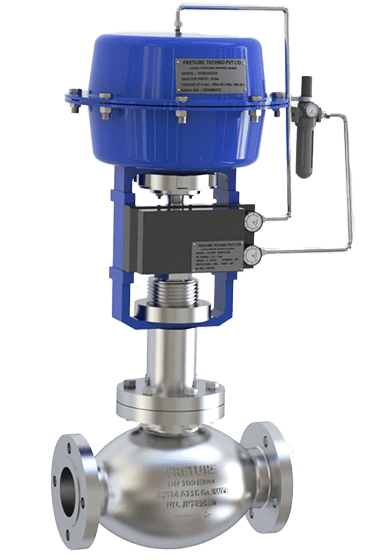
Control valves are devices that modulate the flow of liquids, gases, or steam within a system by varying the size of the flow passage. They respond to signals from controllers, which adjust the valve position based on the requirements of the process. The primary components of a control valve system include the valve body, actuator, and positioner. The actuator provides the force to move the valve stem, while the positioner ensures the valve reaches the correct position corresponding to the control signal.
Control valves are available in different designs, each suited for specific applications. Common types include:
- Globe Valves – Ideal for throttling applications and precise flow control.
- Ball Valves – Known for their durability, they offer quick shutoff and are used where tight sealing is essential.
- Butterfly Valves – These provide large flow capacity and are typically used in low-pressure applications.
- Diaphragm Valves – Used in industries requiring sanitary conditions, such as food and pharmaceuticals, where contamination must be minimized.
How Control Valves Function
The functioning of a control valve is dictated by a signal, typically pneumatic or electronic, sent from a process controller. When a change in the process variable (such as flow rate or pressure) is detected, the controller sends a signal to the valve actuator. The actuator then moves the valve stem to either open or close the flow path, adjusting the fluid passing through the system.
A positioner is often used in control valve assemblies to enhance the precision of the valve's movements. The positioner compares the valve's actual position with the desired position from the control signal, making adjustments to ensure accuracy. This feedback loop ensures that control valves maintain a high level of efficiency and consistency in process regulation.
The Importance of Control Valves in Industrial Applications
Industries today demand high efficiency, reduced waste, and consistent process outputs. Control valves enable plants to achieve these goals by providing precision in fluid management. The ability to regulate pressure, temperature, and flow means that production processes can run smoothly, with minimal downtime and energy waste.
For instance, in chemical processing plants, precise control of the flow of reactants is necessary to ensure product quality and avoid dangerous chemical reactions. In power plants, controlling the flow of steam and water is critical to maintaining optimal energy output. Similarly, in water treatment systems, control valves help regulate the flow and pressure of water as it passes through filtration and purification stages, ensuring the production of clean, safe water.
Key Considerations for Selecting Control Valves
When selecting a control valve, it is crucial to consider various factors to ensure optimal performance, especially when choosing between options like Globe 2 Way Control Valve, Globe 3 Way Control Valve, Diaphragm Control Valve, and Flush Bottom Control Valve. The type of fluid being controlled is vital, as certain valves perform better with liquids, gases, or steam. For example, Globe 2 Way and 3 Way Control Valves are commonly used for precise flow control in various industries, making them ideal for throttling applications. Pressure and temperature ratings are equally important to ensure the valve can handle the specific conditions of the system. The flow requirements also play a role in selecting the right valve; Globe Valves are preferred for higher precision, while Diaphragm Control Valves are excellent in hygienic or corrosive environments like pharmaceuticals. Lastly, material compatibility is crucial for durability, and specific control valves like the Flush Bottom Control Valve are designed for applications that require the complete draining of fluids, particularly in process vessels. By evaluating these factors, you can ensure the valve is suited to your application and will provide efficient and long-lasting service.
Selecting the right control valve ensures not only operational efficiency but also the longevity of the system and reduced maintenance costs.
Advancements in Control Valve Technology
With technological advancements, control valves have become more efficient and smarter. Modern valves now come equipped with digital positioners, which allow for more precise control, easier monitoring, and even remote troubleshooting. Smart control valves can also integrate with advanced control systems and industrial IoT (Internet of Things) platforms, enabling real-time data analysis and predictive maintenance. These advancements reduce the risk of failure and optimize the overall performance of industrial systems.
Buy Control Valves from Freture Techno Pvt. Ltd.
When it comes to selecting high-quality control valves, Freture Techno Pvt. Ltd. stands out as a trusted control valves manufacturer in Mumbai, India. Offering a wide range of control valves suited for various industries, Freture Techno Pvt. Ltd. is known for its commitment to precision, reliability, and innovation. Their control valves are designed to meet the most demanding industrial applications, ensuring long-lasting performance and efficient fluid control. For premium control valves that can optimize your process flow and ensure system safety, choose Freture Techno Pvt. Ltd.



No comments:
Post a Comment