Diaphragm control valves are integral components in fluid regulation systems across various industries. These valves stand out for their versatility, reliability, and precision in controlling the flow of liquids, gases, and slurries. Whether it's the pharmaceutical industry, water treatment, food and beverage, or chemical processing, diaphragm control valves are known for their efficient operation and low maintenance.
This article explores the key features, working principles, benefits, and applications of diaphragm control valves, providing an in-depth understanding of why they are crucial for industrial processes.
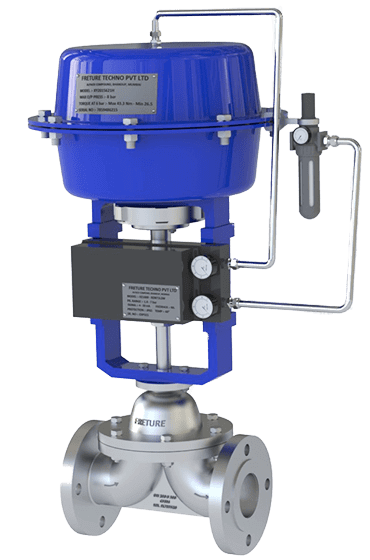 |
| Pneumatic Diaphragm Control Valve |
What is a Diaphragm Control Valve?
A diaphragm control valve uses a flexible diaphragm to regulate fluid flow. The diaphragm is typically made from materials like elastomers, rubber, or polymer compounds, which resist corrosion and wear, making it suitable for handling a wide range of fluids. These valves operate by modulating the position of the diaphragm, either fully closing, opening, or partially throttling the flow of fluid through the valve body.
There are two main types of diaphragm valves:
- Weir-Type Diaphragm Valves: These have a raised lip or “weir” over which the diaphragm is pressed to stop the flow. They are ideal for on/off service and are commonly used in applications involving viscous fluids.
- Straight-Through Diaphragm Valves: These have a simpler design, where the diaphragm directly seats onto the valve body. They are used where minimal flow resistance is critical, such as in applications requiring high flow capacity.
Both designs allow for precise control and reliable shutoff, even in corrosive or abrasive environments.
Working Principle of Diaphragm Control Valves
The diaphragm control valve operates by the movement of the diaphragm in response to changes in pressure, typically controlled by an actuator. Actuators can be pneumatic, electric, or manual, providing flexibility in their use.
In most cases, the actuator applies force to the diaphragm, pressing it against the valve body to restrict flow or release pressure to allow fluid passage. The degree of force applied dictates the amount of flow, making it possible to finely tune the valve for process control.
The diaphragm acts as a sealing element between the fluid and the control mechanism, ensuring that there is no leakage, which is particularly important in applications involving hazardous or sterile fluids.
Benefits of Diaphragm Control Valves
1. Corrosion Resistance
One of the significant advantages of diaphragm valves is their resistance to corrosion. The diaphragm itself and the materials used in the valve body (such as stainless steel, plastic, or other corrosion-resistant alloys) ensure that these valves can handle aggressive chemicals, making them ideal for use in the chemical and pharmaceutical industries.
2. Zero Leakages
Diaphragm valves are designed to prevent leakages. The diaphragm separates the fluid from the internal mechanisms of the valve, ensuring a tight seal and eliminating the risk of fluid contamination or leakage, which is vital in industries like food processing and pharmaceuticals.
3. Low Maintenance
Because diaphragm control valves have fewer moving parts than other types of control valves, they are more reliable and require less maintenance. The simplicity of their design ensures durability and reduces the frequency of part replacements, contributing to lower operational costs.
4. Precise Flow Control
Diaphragm valves provide accurate throttling control, making them suitable for systems where precise regulation of fluid flow is necessary. Their ability to maintain tight control over flow rates contributes to energy efficiency in industrial processes.
5. Versatile Applications
These valves can handle a wide range of fluids, from slurries and viscous liquids to gases and clean water. They are widely used in industries like water treatment, pharmaceuticals, food and beverage production, chemical processing, and power generation.
Applications of Diaphragm Control Valves
1. Pharmaceutical and Biotechnology
In industries where cleanliness and sterile conditions are critical, diaphragm control valves play a crucial role. Their design ensures that there is no contact between the fluid and the actuator, preventing contamination. Additionally, their smooth surfaces and minimal dead space make them ideal for processes that require easy cleaning and sterilization.
2. Water Treatment
Diaphragm valves are used in water treatment plants for controlling the flow of water and chemicals. Their corrosion resistance and durability make them well-suited for handling both clean and aggressive fluids, such as those used in reverse osmosis and desalination systems.
3. Chemical Processing
The ability to handle corrosive and abrasive chemicals makes diaphragm control valves a go-to choice for the chemical industry. Whether it's for dosing chemicals or regulating fluid flow in reactors, these valves ensure process efficiency and safety.
4. Food and Beverage
In food processing, where contamination must be avoided, diaphragm valves offer a hygienic solution. They can handle high-viscosity fluids, such as syrups and sauces, while preventing contamination due to their sanitary design.
Material Selection for Diaphragm Control Valves
The choice of materials for diaphragm control valves depends on the application and the type of fluid being handled. Common materials for diaphragms include EPDM, PTFE, and nitrile rubber. Valve bodies are often made from stainless steel, cast iron, or plastics like PVC and PP.
Selecting the right materials ensures compatibility with the fluid and environment, enhancing valve performance and longevity. For instance, PTFE diaphragms are excellent for handling aggressive chemicals, while stainless steel valve bodies are used in food and pharmaceutical applications for their hygienic properties.
Conclusion
Diaphragm control valves offer numerous benefits, including corrosion resistance, precise control, and low maintenance, making them an essential component in a wide range of industrial applications. Their versatility, combined with reliable performance, ensures that these valves meet the high demands of industries such as pharmaceuticals, water treatment, and food processing.
For superior quality and reliable performance, buy Diaphragm Control Valves from Freture Techno Pvt. Ltd., a trusted manufacturer providing high-performance solutions for your industrial needs.



No comments:
Post a Comment